
AP26102801 «Study of the Mineralogical and Geochemical Characteristics of Coals and Ashes from Coal Deposits in Central Kazakhstan», s.s. Amangeldikyzy Altynaу
The relevance
Coal is not just a primary energy source; it is a mineral resource of the global market, playing a key role in the economies of many countries, including Kazakhstan. Despite the declining share of coal in the global energy mix, the demand for this fuel type on the world market is expected to remain stable for a long time. Comprehensive utilization of coal and associated minerals enhances the profitability of coal mining and helps address various environmental issues.
Clean coal technologies will help navigate the transition period for coal-based energy balances. Studying the distribution of strategic and critical elements will enable the extraction of rare earth elements (REEs) necessary for the development of renewable energy sources. There is a possibility of meeting the demand for REEs through elements extracted from coal and ash. The authors of this project propose an alternative, unconventional source of strategic elements derived from coal and its by-products. Developing renewable energy potential to a level that allows it to replace coal requires time, investment, and commitment from both the government and the private sector. This process can be facilitated and accelerated with the support of clean coal technologies.
In recent years, rare earth elements in coal resources have gained significant attention following pioneering studies by Finkelman, Seredin, Eskenazi, Arbuzov, Dai, Hower, and others. This was mainly due to the shortage and high demand for new technologies and devices, a market that continues to grow, leading to an urgent global demand for alternative sources of REEs, especially in coal deposits. The urgency of this demand emphasizes the relevance of research into extracting REEs from secondary sources, such as coal and its by-products. For example, some studies indicate that coal and coal by-products, like fly ash, are potential sources of REEs and suitable for extraction.
Previous studies by the authors of this project have shown that coal deposits are unconventional sources of critical elements, comparable to traditional economically viable ores. Therefore, the goal of this study is a comprehensive mineralogical and geochemical examination of the distribution of strategic elements in coal and ash from the largest deposits in Central Kazakhstan—the Karaganda Coal Basin (seam k7) and the Shubarkol deposit. This region, with its significant coal reserves, has been the focus of research for many years by geologists, ecologists, and materials science experts. Ash, formed during coal combustion, is seen not only as a by-product but also as a resource with a wide range of applications.
The materials obtained from this research can be used for further studies on coal ash from the region and for its practical use as a source of rare metals. This study aims to address several major tasks: extraction of rare earths and key elements that have economic value, strategic significance, and the potential to contribute to national economic development; expansion of the country’s mineral resource base; implementation of advanced technologies in ecology and safety; reduction of the risk of toxic element leakage from coal and waste dumps, control of disposal costs, and mitigation of environmental impacts.
Thus, studying the mineralogical and geochemical characteristics of coal ash opens new horizons for the rational use of this resource, which is significant for both the economy and the environment of the country.
Achieved results in the 2nd half of 2025:
As a result of the conducted research, additional information was obtained on the geochemical characteristics of coals from the K7 formation. Coals from this formation are characterized by high Ag content, which exceeds Clark values. The distribution of precious metals within the formation is mainly concentrated in clay interlayers and contact zones between coal and clay. Microinclusions of native gold (Au) (fig.1) ranging in size from 0.5 to 10 microns were found in a pyrite matrix mainly in samples taken from clay layers, as well as microinclusions of electrum? (AuAg)(fig.2).
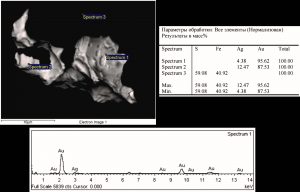
Figure 1. Inclusions of native Au
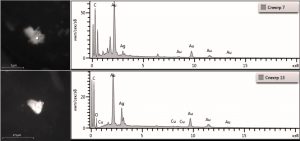
Figure 2. Electrum? (AuAg) microinclusions
Thus, the revealed distribution of precious metals demonstrates clear lithological selectivity and reflects the syngenetic and epigenetic nature of their accumulation. The data obtained can be used to assess the geochemical potential of coal-bearing strata and predict local zones of precious metal concentration, including for coal chemical and ore zoning purposes. In general, contact zones and clay layers in coal-bearing formations represent potential targets for searching for dispersed forms of precious metals, including to assess their technological and economic significance in coal processing.
List of publications for the 2nd half of 2025.
1. Amangeldikyzy A., Kopobaeva A.N., Askarova N.S., Bakyt A. The study of precious metals in the coals of the Karaganda coal basin. Mining Magazine of Kazakhstan. 2025. №11, (in Russian)(19-25) 11_2025 Горный журнал.indd
Research Team 1 Amangeldikyzy A. – Scientific supervisor, Chief Researcher, PhD, Associate Professor of the Department of Geology and Exploration of Mineral Deposits
Researcher ID – E-4878-2018
ORCID – 0000-0002-6665-8804;
Scopus Author ID – 57208573495.
2 Askarova N.S. – Responsible Executor, Leading Researcher, PhD, Associate Professor of the Department of Geology and Exploration of Mineral Deposits
Researcher ID – X-7261-2018
Scopus Author ID – 57208580562
ORCID – 0000-0002-2103-6198;
3 Kopobaeva A.N. – Executer, Leading Researcher, PhD, Associate Professor of the Department of Geology and Exploration of Mineral Deposits
Researcher ID – X-7308-2018
ORCID – 0000-0002-0601-9365;
Scopus Author ID – 57208583785.
4 Baidauleova I.V. – Executer, Senior Researcher, lecturer of the Department of Geology and Exploration of Mineral Deposits
Researcher ID – LOQ-8923-2024
ORCID – 0000-0002-8609-0531;
Scopus Author ID – 59772481800.
5 Blyalova G.G.. – Executer, Senior Researcher,
Researcher ID – GWV-7603-2022
ORCID – 0000-0001-8801-8683;
Scopus Author ID – 57431098000.
6 Ryzhkov S.O.. – Executer, Junior Researcher, Engineer-geologist of SIC “Biosphere Kazakhstan” LLP
Researcher ID – JMV-2433-2023
ORCID – 0000-0002-1417-4234;
Scopus Author ID – 57443338600.
7 Sobolev M.. – Executer, Junior Researcher, Engineer-geologist of SIC “Biosphere Kazakhstan” LLP
ORCID – 0009-0006-4795-7055;
8 Bakyt A. – Executer, Junior Researcher , PhD student GRD-24-1 of the Department of Geology and Exploration of Mineral Deposits
Researcher ID – ABF-3573-2021
ORCID – 0000-0003-0661-310X;
Scopus Author ID – 57431494600.
9 Marchenko I.A.– Executer, Junior Researcher, Senior lecturer of the Department of Geology and Exploration of Mineral Deposits
ORCID – 0009-0008-1223-5145;
10 Toleubek K.E. Executer, Junior Researcher, PhD student GRD-24-1 of the Department of Geology and Exploration of Mineral Deposits
ORCID – 0000-0003-2126-8084;
Scopus Author ID –. 57219029201
Information for potential users
The data obtained as a result of the study on mineral forms of impurities in coal and ash can be used to assess the prospects for integrated use of these materials as a source of strategic and critical elements, including rare earth elements. It also helps to develop effective methods for extraction and improve methods for processing secondary materials.
Scope of application
The research results can be used to develop technologies for complex processing of coal and coal ash in order to extract rare earths and strategic elements, improve methods for processing secondary raw materials, assess the environmental safety of coal deposits and create sustainable, cost-effective solutions for energy, metallurgy, chemical and high-tech industries.
Date of information update: 25.12.2025
AP26198307 ” Investigation and substantiation of parameters of extraction coal mine methane made accumulations for usful using without disturbing ecological balance” Scientific Supervisor: Dr. T.K. Isabek
Relevance
With the increasing depth of mining operations and productivity of coal mines in the Karaganda Basin, the intensity of methane emissions into underground workings has significantly risen. This leads to a higher risk of accidents, explosions, and fires, as well as to atmospheric pollution within mines and the surrounding environment. Being one of the most potent greenhouse gases, mine methane negatively affects the climate and necessitates a systematic approach to its capture and utilization.
The issue of methane extraction and utilization is especially relevant for Kazakhstan, which has joined the Global Methane Pledge initiative aimed at reducing methane emissions. In the Karaganda coal basin, where eight high-gas-bearing mines of JSC “Qarmet” operate, annual methane losses reach tens of millions of cubic meters. A significant portion of this gas accumulates in the goaf areas and disturbed rock zones, forming technogenic collectors that can serve both as sources of increased hazard and as promising raw materials for industrial use.
Modern degasification technologies can only partially solve this problem by reducing the methane content in mines but fail to ensure comprehensive gas extraction from technogenic accumulations. Therefore, the development of new technologies for managing gas emissions—based on studying the regularities of methane release and accumulation in mined-out spaces and creating safe methods for its extraction and utilization—is of critical importance.
The scientific research project “Research and Justification of Parameters for the Extraction of Mine Methane from Technogenic Accumulations for Its Further Utilization without Disrupting Ecological Balance” aims to establish a scientific foundation for an integrated approach to mine methane management. The implementation of the proposed solutions will enable:
– Reduction of the risk of sudden coal and gas outbursts;
– Improvement of methane safety in mines;
– Decrease in methane emissions into the atmosphere;
– Creation of opportunities for secondary methane use in energy and industrial applications.
Thus, the project directly supports national priorities in ecology, sustainable resource management, and industrial safety, while also contributing to Kazakhstan’s international commitments to reduce greenhouse gas emissions.
Results Achieved in the Second Half of 2025
During the second half of 2025, within the implementation of the first stage of the project, a set of scientific and applied research activities was carried out to obtain experimental data and develop methodological foundations:
– Conducted mine-based monitoring and laboratory studies to determine the methane content of coal seams in the Karaganda Basin, the gas permeability of rocks, and the dynamics of methane emission into mined-out spaces.
– Refined the parameters of formation and behavior of technogenic gas collectors and established patterns of methane emission from fractured rocks.
– Developed a methodology for determining the volume of gas collectors based on pressure and gas volume measurements before and after sampling.
– Analyzed the efficiency of existing degasification technologies and identified directions for their improvement.
-Prepared materials for patenting and registration of copyright objects confirming the originality of scientific findings.
– Obtained Certificate No. 62687 of registration in the State Register of Copyrights and submitted patent applications to the Republic of Kazakhstan.
– The results of this stage served as the basis for developing recommendations to improve degasification efficiency and manage gas emission processes during underground coal mining.
List of Publications (Second Half of 2025)
– A Certificate of Registration in the State Register of Rights to Objects Protected by Copyright
No. 62687, dated October 6, 2025, was obtained.
Authors: Isabek T.K., Rabatuly M., Usenbekov M.S., Khamze A.M., Kamarov R.K.
Title of the object: “Scientific substantiation and methodology for the integrated extraction of mine methane from coal seams of the Karaganda Basin.”
– A Patent of the Republic of Kazakhstan for a Utility Model
No. 11442, dated November 21, 2025, was obtained.
Authors: Rabatuly M., Isabek T.K., Usenbekov M.S., Kamarov R.K., Khamze A.M.
Title of the utility model: “Method for Degasification of Coal Seams.”
– A Patent Application of the Republic of Kazakhstan
(Barcode No. 3687281, Registration No. 2025/1472.2, dated September 30, 2025) was submitted.
Title of the application: “Method for Purification of Mine Atmosphere from Sulfur-Containing Gases.”
Authors: Kamarov R.K., Isabek T.K., Usenbekov M.S., Rabatuly M., Zholdybayeva G.S., Khamze A.M.
Research Team
1. T.K. Isabek — Project Supervisor, Doctor of Technical Sciences, Professor, Chief
Researcher, Department of Mining Engineering (RMPI)
Hirsch Index: 6
ResearcherID: JOI-3147-2023
ORCID: 0000-0001-7718-933X
Scopus Author ID: 57208722124
2. Meirambek S. Usenbekov — Responsible Executor, Candidate of Technical Sciences,
Associate Professor, Senior Researcher, RMPI Department
Hirsch Index: 1
ORCID: 0000-0002-4209-3853
Scopus Author ID: 58010627100
3. Rymgali K. Kamarov — Leading Researcher, Candidate of Technical Sciences, Professor,
RMPI Department
Hirsch Index: 3
ResearcherID: CYQ-5039-2022
ORCID: 0000-0003-0106-5343
Scopus Author ID: 57144555700
4. Mukhammedrakhym Rabatuly — Senior Researcher, PhD, Associate Professor, RMPI
Department
Hirsch Index: 6
ResearcherID: JGD-2925-2023
ORCID: 0000-0002-7558-128X
Scopus Author ID: 57208722953
5. Askar M. Khamze — Researcher, Master of Engineering, Doctoral Student (Group GDD
25-1), RMPI Department
ResearcherID: LKJ-9695-2024
ORCID: 0009-0006-7170-8438
6. Marat N. Zhumabekov — Junior Researcher, Senior Lecturer, RMPI Department
ORCID: 0000-0003-2551-7295
7. Zhuldyz Y. Aituganova — Engineer, Department of Science and Innovation
8. Mironshakh S. Savriev — Junior Researcher, Master’s Student (Group GDM-25-2)
Information for Potential Users
As a result of the project, a technology will be developed for the comprehensive extraction of mine methane from technogenic accumulations with the potential for its subsequent use as an alternative energy resource.
Practical implementation of the results will allow:
– Enhancing mining safety by reducing methane concentration;
– Reducing greenhouse gas emissions;
– Utilizing recovered methane for thermal and electrical energy generation;
– Improving economic efficiency of enterprises through the processing of associated gas.
The research outcomes can be implemented at the coal mines of the Karaganda Basin and recommended for use in mining enterprises across Kazakhstan and other CIS countries.
Field of Application
The obtained results can be applied in designing systems for the integrated extraction and utilization of mine methane, determining optimal layouts for degasification wells, substantiating gas emission parameters, and developing recommendations to reduce methane accumulation risks during coal mining and to enhance operational safety.
The research findings are recommended for use by mining enterprises and design organizations to manage methane emissions in mines with both low and high gas permeability, to purify mine air, and to implement environmentally safe mining technologies.
 |
 |
 |
 |
 |
 |
Date of information update: 25.12.2025
AP26103015 «Development of effective technological schemes of underground geotechnology, ensuring an increase in the completeness of extraction of orebodies»
s.s. Suimbayeva А.
The relevance of the problem of ore body recovery completeness during underground mining is of great importance for the efficient and rational use of mineral reserves in mining enterprises. Properly addressing this issue can significantly increase the extraction of valuable ore components, reduce mining costs, and minimize both the negative environmental impacts and the risks of rock collapse.
In recent years, Kazakhstan has indeed seen an increase in the volume of natural resource extraction. This is due to several factors, including a rise in foreign investments, infrastructure modernization, and an active government policy aimed at supporting the mining industry.
At present, many large enterprises in Kazakhstan face the problem of mineral resource depletion. Over the past decades, mineral deposits have been exploited too intensively, while geological exploration has not yet covered all promising areas. The increase in reserves is mainly due to the reassessment and additional exploration of already discovered deposits. However, a significant portion of the newly registered reserves are located within the influence zones of mined-out areas or contain low concentrations of useful components. Consequently, it is not economically feasible for mining enterprises to extract these ores using existing methods and technologies.
In the proposed project, in order to reduce the loss of minerals during underground mining, various methods will be considered, including the improvement of mining technologies, more thorough planning of mining operations, and the implementation of development systems that allow for greater completeness of ore body extraction from the earth’s subsurface.
Practically all mining enterprises leave behind low-grade mineral reserves as temporarily inactive resources. As a rule, after the extraction of high-grade ore bodies, these reserves remain in zones of rock displacement.
Below, in Figure 1, are presented the volumes of temporarily inactive ore reserves for several gold deposits.
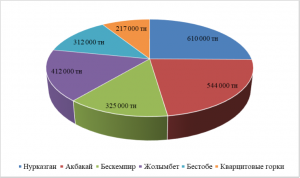
Figure 1 – Volumes of gold deposits left as temporarily inactive reserves
The ore body reserves shown in Figure 1 are located within the rock displacement zone, and the issue of mining these reserves remains relevant, as their extraction requires taking into account the influence zone of the mined-out area.
The Zhezkazgan deposit is one of the largest copper deposits in the country and has a significant impact on the regional economy. The depletion of its reserves has occurred as a result of long-term mineral extraction, which has been carried out since the mid-20th century.
Over many years of mining operations at the Zhezkazgan deposit, significant changes have taken place in the mining and geological as well as mining and technical conditions of development. The reserves of the Central ore field, located closer to the surface and at medium depths up to 500 meters, have been almost completely mined out and exhausted. Currently, mining operations have mostly shifted to peripheral areas (Annen and Akchiy-Spassk mining districts), extending to deep horizons (depths of 500 meters and below) and characterized by complex mining and geological conditions.
The aim of this project is to substantiate the parameters of an effective and safe underground mining technology for ore bodies, taking into account the established dependencies between displacements and stresses of rocks, as well as taking into account the boundaries of the dangerous impact of the mined space and the nature of rock collapse.
Expected and achieved results:
1) The article ” Оценка устойчивости горных выработок в зонах влияния отработанных пространств” by A.M. Suimbayeva, A.Zh. Imashev, G.Zh. Zhunusbekova, and A.A. Musin was published in Mining Journal of Kazakhstan, No. 10–2025.
2) A certificate of registration in the State Register of Rights to Objects Protected by Copyright No. 63380 dated October 23, 2025, was obtained for the work “Assessment of the Stability of Mine Workings in the Influence Zones of Mined-Out Areas”. Authors: G.Zh. Zhunusbekova, A.M. Suimbayeva, A.Zh. Imashev, and A.A. Musin.
The Research Group:
1. Suimbayeva Aigerim, Scientific supervisor, PhD, Associate Professor
The Hirsch index – 5,
Researcher ID – AAC-8234-2022
ORCID – 0000-0001-6582-9977
Scopus Author ID – 57204776922
Composition of the research group:
2. Mussin Aibek, Responsible Executive, PhD, Associate Professor
The Hirsch index – 7,
Researcher ID – AGD-8697-2022
ORCID – 0000-0001-6318-9056
Scopus Author ID – 57225333744
3. Imashev Askar, PhD, Associate Professor, Head of the Department of Mineral Deposit
Development.
The Hirsch index – 9
Researcher ID – ABC-2138-2021;
ORCID – 0000-0002-9799-8115;
Scopus Author ID – 57204153972.
4. Matayev Azamat, PhD, Associate Professor
The Hirsch index – 10,
Researcher ID – D-3766-2019
ORCID – 0000-0001-9033-8002
Scopus Author ID – 57219561578
5. Zhunusbekova Gaukhar, PhD, Research Associate
The Hirsch index – 2,
Researcher ID – AAE-8004-2022
ORCID – 0000-0003-2842-270X
Scopus Author ID – 57919123700
6. Shaike Nurlan, Research Associate
The Hirsch index – 2,
Researcher ID – HLH-4610-2023,
ORCID – 0000-0002-2395-4566,
Scopus Author ID – 58220559500
7. Yeskenova Gulnura – Research Associate
The Hirsch index – 2,
Researcher ID – АВС-2138-2021
ORCID – 0000-0001-8184-4085
Scopus Author ID – 58191278200
8. Altaibayeva Karina, Researcher, Engineer of the Department of Science and Innovation
Information for potential users: The results obtained during the research will contribute to a more accurate prediction of the stress-strain state of rocks, which in turn will make it possible to develop effective geotechnologies for underground mining aimed at increasing the completeness of ore body extraction. This will ensure the safety of mining operations within the influence zone of mined-out areas, as well as minimize risks and prevent possible negative consequences such as rock collapses.
Field of application: The project results can be applied in underground mining of ore deposits to improve the completeness of mineral extraction through the implementation of efficient geotechnological schemes under complex mining and geological conditions.
Date of information update: 25.12.2025
AR26199877 ” Development of technology for applying composite protective coatings to parts of equipment in the metallurgical and machine-building industries” S.s. Kulikov V. Yu.
Relevance
The relevance of the project is as follows. A number of parts and equipment in general are operated in aggressive conditions, for example, furnace rollers, pallets are used in thermal furnaces at elevated temperatures, impellers of flotation machines work in conditions of liquid exposure, worms, pistons, friction discs work in conditions of friction, etc. Accordingly, their service life is noticeably lower than parts operating under normal conditions. The use of complex-alloyed steels, such as 77SH steel, Armox (Sweden), MARS (France) steels, significantly increases the cost of such parts.
Recently, new knowledge has been obtained about the mechanism of destruction of parts under the influence of high temperatures or as a result of wear or shock loads, which makes it possible to apply new principles for creating materials with increased operational properties. Currently, the use of new alloying additives to create new even more complex-alloyed alloys that meet increased operational requirements is impossible due to the negative influence of alloying elements among themselves (not to mention the high cost of such alloys), then a promising direction for improving the operational properties of parts is the application of coatings that will provide increased mechanical or physical properties together with the matrix. properties.
Results achieved in the second half of 2025:
The article analyzes the operating conditions of parts in aggressive environments and justifies the choiceof gas-thermal spraying as the optimal protection method. Special attention is paid to the selection of powder materials such as WC/Co, Cr3C2-NiCr, Cr2O3 and Al2O3, depending on the type of wear (corrosion, abrasive, adhesive). Various types of gas-thermal spraying and their advantages are considered.
Samples with two-layer deposition were studied: the first layer is a damping layer consisting of copper and aluminum powders in a ratio of 4:1, and the second layer is a strengthening layer consisting of titanium carbide powder.
It is determined that the proposed powder composition has a positive effect on the strength characteristics due to the use of a damping bond of aluminum and copper in its composition, and the wear resistance of the sprayed sections also increases. The proposed powder composition can be used for application to parts of equipment in the metallurgical and machine-building industries operating in aggressive environments (at high temperatures, high humidity, rubbing steam, etc.).
Studies have shown that the titanium carbide powder used has a significant variation in the dispersion of powder particles, in contrastи to a mixture of copper and aluminum powders. It was determined that oxygen and carbon, titanium, traces of aluminum and nitrogen are present in a sufficiently large amount in the surface layer after the second deposition. Titanium can be present both in the form of titanium carbides and in the form of nitrides, which can play the role of additionalstrengthening phases. This determines the increased hardness and wear resistance of the surface. The coating has a uniform hardness over the entire surface of the coating, and it is also shown that mechanical stresses are small and decrease when a second layer of protective coating is applied.
List of publications for the 2nd half of 2025.
Kulikov V. Yu., Kvon S. S., Isagulov A. Z. et al. Analysis of Operating Conditions for Parts in the Metallurgical and Machine-Building Industries and Justification for the Choice of Protective Coating / / Material and mechanical engineering technology, Karaganda: Abylkas Saginov University Publishing House, 2025. – No. 3 (3). – pp. 51-58. DOI 10.52209 / 2706-977X_2025_3_51 (Scopus, percentile 10)
Research Group
Kulikov V.Yu., Candidate of Technical Sciences, Professor
ResearcherID Web of Science: N-5596-2017
Author ID Scopus: 56168395900
ORCID: 0000-0001-6191-8569
Arinova S.K., PhD
ResearcherID Web of Science: AAL-2282-2021
Author ID Scopus: 57192206332
ORCID: 0000-0003-1977-8157
Issagulov A.Z., Doctor of Technical Sciences, Professor
ResearcherID Web of Science: C-7415-2016
Author ID Scopus: 57219418150
ORCID: 0000-0003-2174-9072
Kvon Sv.S., Ph. D., Professor
ResearcherID Web of Science: N-5602-2017
Author ID Scopus: 57061892400
ORCID: 0000-0002-5439-4426
Zharkevich O.M., Candidate of Technical Sciences, Professor
ResearcherID Web of Science: N-9080-2017
Author ID Scopus: 55339344600
ORCID: 0000-0002-4249-4710
Dostaeva A.M., PhD, Professor
ResearcherID Web of Science: AAB-9478-2020
Author ID Scopus: 57160297400
ORCID: 0000-0002-1982-2368
Abdrakhmanov M.S., Master’s degree
Sapiyanov A.M., PhD student
Information for potential users
The project will result in:
– the composition of components for the composite coating is selected, which will increase the heat resistance and wear resistance of the part by 30-60 % times, which will increase the duration of operation of such parts;
– technological modes of gas-thermal spraying are determined, which make it possible to apply a coating of the developed composition, including modes of spraying and preparing the surface of parts;
– parameters of preparation of a surface of details for increase in adhesive properties are defined;
– published at least four articles in peer-reviewed scientific publications in the scientific direction of the program, included in the first, second or third quartiles in the Web of Science database and (or) having a CiteScore percentile CiteScorein the Scopus database of at least fifty, an application for an invention of the Republic of Kazakhstan has been submitted.
Scope of application
Metallurgical and machine -building enterprises that use parts and products that work in conditions of wear and environmental impact.
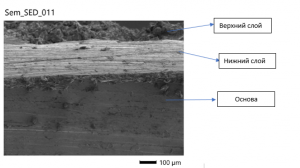
Figure 1-Surface structure of samples after sputtering
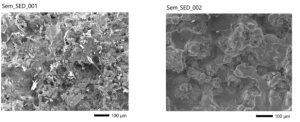
Sample 1 Sample 2
Figure 2 – Surface structure of samples after sputtering
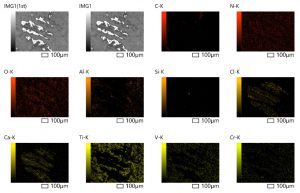
Figure 3-Mapping of chemical elements of the sample
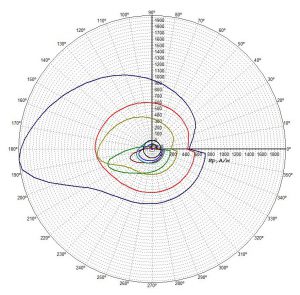
Figure 4-Magnetogram of mechanical stresses in the sample
Date of information update: 25.12.2025
AR26103843 “Development of Physicochemical Principles for Producing New Materials with Targeted Properties” S.s. Kvon S.S.
Relevance: Improving the reliability, durability, and competitiveness of machine parts, mechanical assemblies, tools, and other components is a priority task of modern engineering (particularly in metallurgy and mechanical engineering). It is well known that increasing the strength and, accordingly, extending the service life of products leads to savings in metal, which makes it possible to reduce the volume of metallurgical production. Thus, in the long run, more rational use of mineral resources can be achieved, i.e., reducing the extraction of raw materials and increasing the metal efficiency of core production assets.
In this regard, surface modification of products using various methods is the most effective approach to obtaining the required set of properties. Methods of surface strengthening treatment belong to high-technology processes based on knowledge from specific areas of physical chemistry and solid-state physics. Therefore, the proposed project is highly relevant for the development of both fundamental and applied research in this field.
Project objective
Establish the mechanism of structure formation in thermal surface-modification processes and develop the theoretical foundations of a technology for producing new materials with predetermined properties.
Achieved results:
To determine the influence of the main parameters of the chemical–thermal treatment process on the structure of the diffusion zone, the following studies were carried out. Steel 20KhM was used as the research material, as it is widely applied in the production of parts operating under complex stress conditions.
1. The optimal composition of the saturating medium for carbonitriding steel 20KhM was determined: acetylene consumption 1.5–2.0 L/min at a temperature of 950 °C; nitrogen consumption 1.5 L/min at a temperature of 850 °C.
2. The nature of the distribution of metal properties (hardness) along the depth of the modified surface was determined. The hardness profile decreases monotonically with depth. At a depth of 200 µm, the drop in microhardness is almost extreme, and at a depth of 500 µm it becomes comparable to the hardness of the matrix.
3. Kinetic features of the distribution of carbon and nitrogen along the depth of the strengthened layer were identified. The results showed that the carbon profile decreases monotonically: the carbon content at the surface is about 0.9%, gradually decreasing, and at a depth of about 800 µm becomes nearly equal to that of the matrix (0.17%). Nitrogen content changes sharply: at the surface it is about 0.6%; at a depth of 200 µm, nitrogen decreases by half and is practically absent further.
To successfully achieve the 2026 Work Plan:
1. One article has been prepared for a journal included in the KOKSNVO list.
2. Two patent applications have been filed in the Republic of Kazakhstan:
“Method for carburizing parts made of low- and medium-carbon steels in a carburizing paste” and “Method for processing metal surfaces.”
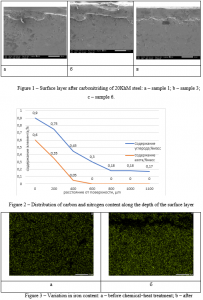
chemical–heat treatment.
List of publications
1. One article has been prepared for a journal included in the KOKSNVO list.
2.Two patent applications have been filed in the Republic of Kazakhstan:
“Method for carburizing parts made of low- and medium-carbon steels in a carburizing paste” and “Method for processing metal surfaces.”
The Research Group
Kvon Svetlana Sergeevna – Scientific Supervisor, Chief Researcher, Candidate of Technical Sciences, Professor of the Department of Metallurgy and New Materials, Abylkas Saginov Karaganda Technical University. Hirsch Index: 9. ORCID: https://orcid.org/0000-0002-5439-4426. ResearcherID: N-5602-2017. Scopus Author ID: 57061892400.
Kulikov Vitaliy Yuryevich – Principal Investigator, Chief Researcher, Candidate of Technical Sciences, Professor of the Department of Metallurgy and New Materials, Abylkas Saginov Karaganda Technical University. Hirsch Index: 10. Scopus ID: 57192206332.
Isagulov Aristotel Zeynullinovich – Chief Researcher, Doctor of Technical Sciences, Professor of the Department of Metallurgy and New Materials, Abylkas Saginov Karaganda Technical University. Hirsch Index: 3. Scopus ID: 55778253200.
Kovaleva Tatyana Viktorovna – Senior Researcher, PhD, Senior Lecturer at the Department of Metallurgy and New Materials, Abylkas Saginov Karaganda Technical University. Hirsch Index: 3. ResearcherID: A-2567-2017. ORCID: 0000-0002-1186-1805. Scopus ID: 57211297553.
Skvortsov Evgeniy Viktorovich – Junior Researcher, Master of Engineering Sciences, Senior Lecturer of the Department of Metallurgy and New Materials, Abylkas Saginov Karaganda Technical University. Hirsch Index: 3. Scopus ID: 57218196385.
Yerzhan Aidana – Researcher, Lecturer of the Department of Metallurgy and New Materials, Abylkas Saginov Karaganda Technical University. Hirsch Index: 2. ORCID: 0000-0002-6942-2020. ResearcherID: ABD-5912-2021. Scopus ID: 56901129500.
Adamova Gulden Khasenovna – Junior Researcher, Master of Engineering Sciences, Director of the Department of Youth Policy. Hirsch Index: 0. ORCID: 0000-0001-6933-6571.
Tulepova Moldir Abilseitkyzy – Junior Researcher, Doctoral Student (group Met-23-1), Department of Metallurgy and New Materials, Abylkas Saginov Karaganda Technical University.
Abildina Aizhan Rymkulkyzy – Junior Researcher, Doctoral Student (group Met-24-1), Department of Metallurgy and New Materials, Abylkas Saginov Karaganda Technical University.
Nartbay Erkebulan – Engineer, Department of Metallurgy and New Materials, Abylkas Saginov Karaganda Technical University.
Information for potential users:
The implementation of the developed surface-hardening technology at enterprises of the mining-metallurgical and machine-building sectors of the Republic of Kazakhstan will significantly reduce production and repair costs by increasing the service life of parts and reducing equipment downtime.
Scope of application:
The field of application of this project is metallurgical and mechanical engineering production for enterprises such as Qarmet JSC, Parkhomenko Machine-Building Plant LLP, and others.
Date of information update: 25.12.2025
AP26199283 «Development of a combined method for processing hard-to-machine materials» S.s. Аbdugaliyeva G.B.
Actuality
Technological equipment for mining, geological exploration, oil and gas, and other industries is manufactured with consideration for extremely challenging operating conditions. These conditions include high temperature and pressure, exposure to rare chemicals, solid abrasive particles, and more.
For the manufacture of parts for this equipment, difficult-to-machine materials with special properties are used to ensure the required performance of machines and industrial installations. These materials include heat-resistant alloys, high-strength steels and alloys, corrosion-resistant and high-alloy steels, as well as austenitic Hadfield steel (110G13L).
Steel 110G13L has high plasticity and wear resistance, and it undergoes significant hardening during cutting, with the hardness of the hardened layer becoming comparable to that of the tool. Steel 110G13L is used to manufacture parts such as tractor tracks, crowns of earthmoving machines, crusher beaters, crusher jaws, mining equipment armor plates, rail frogs and turnouts, mill balls and plates, various gratings, pins, bushings, and more.
When developing technology for the mechanical processing of 110G13L steel blanks, plant specialists encounter difficulties in selecting materials for the cutting part of the tool. In its initial state after hardening, 110G13L steel (Hadfield steel) has an austenitic structure with a hardness of HB 260-300 and high toughness. Under dynamic loads and cold deformation, 110G13L steel self-hardens to HB 600, making it difficult or impossible to machine.
The results of the experimental study demonstrated the feasibility of using the method of thermal friction milling with pulse cooling for processing 110G13L steel. However, there is a challenge associated with ensuring the quality of the processed surface and effective chip crushing during processing.
Purpose of the project
The goal of the project is to improve the quality of manufacturing parts from hard-to-machine materials by developing a highly efficient combined processing method.
Expected and achieved results
Achieved results:
Increase the efficiency and quality of machining hard-to-cut materials, particularly 110G13L steel, by implementing a combined technology that integrates mechanical and thermo-frictional effects, ensuring a 2-3 times increase in productivity and more than a tenfold improvement in tool life. Develop scientifically grounded recommendations and reference data on optimal cutting modes, tool geometry and parameters, as well as the selection of materials for the heating and cutting elements of the combined tool. Enable industrial implementation of the developed technology at domestic machine-building enterprises and establish a scientific and technological foundation for further research and application of combined machining metods.
Methods for computer modeling of the effect of temperature on quality indicators during the combined processing of difficult-to-machine materials, particularly 110G13L steel, will be developed. Additionally, the stress-strain state of the combined tool structure during processing will be studied. Domestic machine-building enterprises are considered potential consumers of the proposed technology.
List of references
Problems of mechanical processing of parts from austenitic steel 110g13l. M.M. Mussaev, K.T. Sherov, G.B. Abdugaliyeva, Zh. Tolganay, G. Tattimbek. Вестник Евразийского национального университета имени Л.Н. Гумилева. №4. 2025. Bulletin of L.N. Gumilyov Eurasian National University Technical Science and Technology Series, №4. 2025
https://doi.org/10.32523/2616-7263-2025-153-4-247-256
Research group
Abdugaliyeva Gulnur Baimurzaevna
Candidate of Technical Sciences, Professor of the «Technological equipment, engineering and standardization» Department of the “Abylkas Saginov Karaganda Technical University”
h-index: 5;
Researcher ID: AAN-2968-2021;
ORCHID 0000-0003-3469-3901
Scopus Author ID 57200327289
Mussayev Medgat Muratovich
PhD, Associate Professor of the «Technological equipment, engineering and standardization» Department of the “Abylkas Saginov Karaganda Technical University”
h-index: 6;
Researcher ID: AAR-6997-2020;
ORCID: 0000-0001-9875-8159;
Scopus Author ID: 57220743851
Mendalieva Saule Ilyinichna
Candidate of Technical Sciences, senior lecturer of the Department “Technological Machines and Equipment” Kazakh Agrotechnical University named after NCJSC S. Seifullin Kazakh AgroTechnical University,
h-index: 1;
ORCID: 0000-0002-4819-8656,
Scopus Author ID: 58768484000
Magavin Sabit Shamilevich
Candidate of Technical Sciences, Associate Professor of the Department “Technological Machines and Equipment” Kazakh Agrotechnical University named after NCJSC S. Seifullin Kazakh AgroTechnical University,
h-index: 3;
ORCID: 0000-0003-0920-1442;
Scopus Author ID 57203157613
Tattimbek Gulerke
Lecturer of the «Technological equipment, engineering and standardization» Department of the “Abylkas Saginov Karaganda Technical University”
h-index: 2;
ORCID:0000-0001-8242-5800
Scopus Author ID: 57350039700
Zakirov Karshiga Tulegenovich
Doctoral student of the ИМСД-25-1 group of the «Technological equipment, engineering and standardization» Department of the “Abylkas Saginov Karaganda Technical University”
Tolganay Zhanibek
Doctoral student of the МСД-23-1 group of the «Technological equipment, engineering and standardization» Department of the “Abylkas Saginov Karaganda Technical University”
ORCID: 0009-0009-8127-8090
Information for potential users
The project development of a resource – saving combined method for processing hard –to-machine materials, particularly 110G13L steel; development of a special design for a combined tool and establishment of patterns regarding the influence of its parameters and geometry on quality indicators; creation of reference data on the developed combined technology (optimal cutting modes, optimal parameters and geometry of the tool, materials for heating and cutting parts of the tool, etc.) for processing hard-to-cut materials, particularly 110G13L steel; establishment of patterns regarding the influence of temperature in the cutting zone on the quality indicators of processing hard-to-machine materials.
The target users of the obtained results of the project may be machine-building enterprises, mechanical parks of large and medium-sized enterprises in the mining industry, enterprises – producers of composite materials, enterprises specializing in the processing of secondary raw materials. The applicability of the obtained scientific results is also possible in scientific and project organizations, as well as in higher educational institutions, when teaching bachelors, masters and doctoral students.
Area of application
The field of application technology is quite extensive. Steel 110G13L has high plasticity and wear resistance, and it undergoes significant hardening during cutting, with the hardness of the hardened layer becoming comparable to that of the tool. Steel 110G13L is used to manufacture parts such as tractor tracks, crowns of earthmoving machines, crusher beaters, crusher jaws, mining equipment armor plates, rail frogs and turnouts, mill balls and plates, various gratings, pins, bushings, and more.
Date of information update: 05.01.2026
AP26197113. Development of methods for calculating operation modes, device designs, and materials for exhaust gas cleaning using ultrasonic and laser emission. S.s. Kadyrov A.S.
Relevance: The relevance of the project on the development of exhaust gas purification technology using ultrasonic and laser methods is due to the need to reduce the environmental burden from road transport and reduce the cost of operating exhaust systems. With the development of the automotive industry, the problem of air pollution is becoming more urgent. The increase in the number of cars increases emissions of suspended particles, nitrogen oxides and volatile organic compounds, which contributes to the occurrence of diseases of the respiratory and cardiovascular systems. And carbon dioxide emissions contribute to global warming, which also requires measures to reduce them. Many countries have adopted the “Euro” emission standards, which require the use of catalytic converters. However, these technologies have limitations, including a limited service life of 100,000-150,000 km, frequent clogging, and low efficiency at low temperatures. Their high cost associated with the use of precious metals often leads to their removal or replacement with less efficient devices, which exacerbates environmental problems. This highlights the need to develop alternative exhaust gas purification technologies. Preliminary studies show that ultrasound in the silencer coagulates small particles into large ones, but a significant part of them remains due to the high flow rate. In this regard, it is proposed to use infrared and ultraviolet lasers for the oxidation and dissociation of particles in combination with a porous material to prevent the accumulation of soot in the muffler. The proposed method will effectively eliminate large and small particles, as well as carcinogenic compounds.
The aim of the project is to develop a methodology for calculating the mode, device design and selection of materials for laser and ultrasonic cleaning of car exhaust gases, directly in the muffler.
Expected and achieved results
Results achieved
During the implementation of the project, the following tasks were completed::
– a critical analysis of scientific publications and patent sources over the past 30-50 years has been carried out, fundamental trends and scientific and technical gaps in the field of physical purification of gases have been identified;
– it has been established that in world practice there are no developments combining ultrasonic and laser effects inside a car muffler for multi-stage exhaust cleaning;
– a morphological analysis of the device design was performed: key parameters were identified, sets of variants were formed, and a morphological matrix was compiled;
– a synthesis of promising design options based on a morphological matrix has been carried out, functionally rational layouts of the gas purification module have been determined;
– the concept of combined effects of ultrasound and laser radiation has been developed, taking into account gas dynamics, thermal and acoustic processes in the exhaust stream;
Expected results:
– the experiment will be planned;
– it will be determined by the methods of similarity theory and the dimensions of similarity criteria, which are independent factors;
– a stand will be developed for ultrasonic cleaning, for laser cleaning, for joint laser and ultrasound cleaning (synergetic effect);
– experimental studies will be conducted on the developed stand;
– to test the interim results, at least 1 (one) article or review will be published in a peer-reviewed foreign or domestic publication recommended by the KOKNVO, and at least 1 article in the proceedings of an international conference.
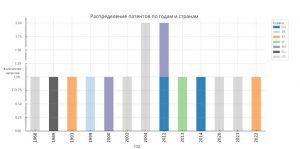
Figure 1 – Results of the patent analysis
Research group:
| No. | Research group | Role in the team | Scientometric indicators |
| 1 | Kadyrov Adil Suratovich,
Doctor of Technical Sciences, Professor of the Department of Transport Engineering and Logistics Systems |
Project Manager | Hirsch index – 11.
Researcher ID: W-4738-2018 Author ID в Scopus: 57218826977 http://orcid.org/0000-0001-7071-2300 |
| 2 | Ganyukov Alexander Anatolyevich,
PhD, |
Responsible executor | Hirsch index – – 9
Author ID в Scopus: 57194493653 ResearcherID: V-8593-2019 ORCID ID: https://orcid.org/0000-0002-0651-9781 |
| 3 | Glotov Boris Nikolayevich,
Doctor of Technical Sciences, Professor of the Department of Transport Engineering and Logistics Systems |
Executor | Hirsch index -.
Author ID in Scopus:- ResearcherID: – ORCID ID: – |
| 4 | Kukesheva Aliya Bakibaevna,
PhD, no
|
Executor | Hirsch index – 7.
Author ID in Scopus: 57222089958 ResearcherID: AAQ-1014-2020 ORCID ID: https://orcid.org/0000-0002-3063-5870 |
| 5 | Sinelnikov Kirill Anatolyevich,
PhD, no |
Executor | Hirsch index – 4.
Researcher ID: JZQ-3793-2024 Author ID in Scopus: 57794838700 https://orcid.org/0000-0001-5073-5716 |
| 6 | Kryuchkov Evgeny Yurievich, PhD,
Researcher at the Department of Transport Engineering and Logistics Systems, (part-time) |
Executor | Hirsch index -3.
Researcher ID: LTN-9236-2024 ORCID: orcid.org/0000-0003-2903-5322 Author ID в Scopus: 58039466700 |
| 7 | Moldabaev Baurzhan Gilymovich,
PhD, Researcher at the Department of Transport Engineering and Logistics Systems, (part-time) |
Executor | Hirsch index -2.
Author ID в Scopus: 58986308700 ResearcherID: LTW-9743-2024 ORCID ID: https://orcid.org/0000-0002-2102-1834 |
| 8 | Zhumabekov Aidar Temirgalievich,
Doctoral student of the Department of Transport Engineering and Logistics Systems, (part-time) |
Executor | Hirsch index -.
Author ID in Scopus:- ResearcherID: – ORCID ID: https://orcid.org/0000-0001-9837-8834 |
| 9 | Bakhytov Elkhan Sayanovich
Doctoral student of the Department of Transport Engineering and Logistics Systems, (part-time) |
Executor | Hirsch index -.
Author ID in Scopus:- ResearcherID: – ORCID ID: – |
List of publications:
1. Kadyrov A.S., Kukesheva A.B., Ganyukov A.A., Sinelnikov K.A. Patent Analysis, Technological Gaps and Development Prospects of Combined Ultrasonic and Laser Exhaust Gas Cleaning // Труды университета, 2025, 26(3), стр: 243-248. (29.09.2025 г.) URL: tu.kstu.kz/archive/issue/107?page=4
2. Кадыров А.С., Кукешева A.Б., Ганюков A.A., Синельников K.A. Перспективы применения ультразвука и лазера для очистки выхлопных газов ДВС автотранспорта // VII Международная научно-практическая конференция «Новое время – новые исследования», Петрозаводск, 2025. стр. 51-59. (28 августа 2025 г.) URL: sciencen.org/assets/Kontent/Konferencii/Arhiv-konferencij/KOF-1376.pdf?utm_medium=email&utm_source=Unisender&utm_campaign=
Information for potential users:
The introduction of ultrasonic and laser-based cleaning technologies will have a positive impact on improving public health, especially in large cities and industrial regions, as reducing air pollution will lead to fewer cases of respiratory and cardiovascular diseases. This, in turn, will reduce healthcare costs and improve the quality of life of citizens. The project will also make a significant contribution to scientific and technological progress, the economic development of the country and the improvement of the level of education, contributing to the improvement of the general welfare of society. The developed technology will find application in the transport industry, mechanical engineering, environmental monitoring and vehicle maintenance. The results of the project will also be useful for utilities, the agricultural sector and industrial enterprises where the task of reducing emissions of harmful substances is urgent. The technology can be used to modernize existing exhaust systems, as well as to develop a new generation of environmentally friendly vehicles.
Application area:
– in road transport, including vehicles with high mileage, where the efficiency of standard exhaust gas neutralization systems is reduced;
– in mechanical engineering – in the manufacture of new exhaust systems or modernization of existing structures;
– in the field of vehicle maintenance;
– at service stations, as well as during after-sales installation and integration of environmental modules.
Date of information update: 25.12.2025
AP26195361 «Developing an integrated method of assessing reliability and predicting the remaining life of structures based on the probabilistic analysis of multivariate results of technical surveys» S.s. Nuguzhinov Zh.S.
Actuality
The relevance of the topic is determined by the growth of capital construction volumes in Kazakhstan and the need to improve the reliability and safety of construction projects through the enhancement of design methods. Modern load-bearing structures must ensure long-term and safe operation while also being economical in terms of material usage. In this context, probabilistic methods for reliability assessment are particularly important, as they allow for accounting for the multifactorial nature of structural performance.
Despite the existence of developed methods in probability theory and mathematical statistics, their application in construction practice remains limited. The introduction of probabilistic approaches into design calculation systems will enable more accurate consideration of random factors affecting the operation of buildings and structures. Therefore, the development and practical application of statistical and probabilistic methods for evaluating the load-bearing capacity and reliability of structures is a relevant scientific and practical task.
Purpose of the project
Development of a scientifically grounded engineering method for assessing the reliability and predicting the remaining service life of structures in especially critical buildings, facilities, and constructions. This method of comprehensive reliability assessment of building structures will ensure a high level of accuracy by taking into account the randomness of external influences, the parameters of spatial-planning and structural solutions of construction objects, and by applying new probabilistic-statistical methods for analyzing the results of technical inspections.
Expected and achieved results
Within the framework of the project, a methodology was developed for collecting and processing statistical data obtained from the results of technical inspections of construction objects. The methodology allows for the formation of variational, interval, and dynamic series. An initial statistical processing of the parameters of structural elements was carried out, including the determination of the mean, variance, correlation, and autocorrelation coefficients. Statistical databases and graphical materials were created to perform probabilistic calculations of load-bearing capacity and reliability.
A comparative analysis of deterministic and probabilistic calculation methods was carried out, and their adaptation to engineering tasks was performed. Criteria were developed for selecting optimal mathematical models to describe random influences and the geometric variability of structural elements.
The scientific novelty of the project lies in the development of a comprehensive probabilistic methodology for assessing the reliability of building structures, taking into account statistical variability and real operating conditions. An original data processing procedure was proposed, and regression methods were applied to assess load-bearing capacity and predict service life. Approaches to determining the probability of failure-free operation of structures were refined by introducing correction coefficients that account for real operational impacts, and patterns of change in failure intensity over time were also studied.
The results of the project are reflected in one article published in a peer-reviewed scientific journal.
Expected results:
Two articles will be published in peer-reviewed journals included in the Web of Science (Q1 or Q2) and/or Scopus databases with a CiteScore of at least 65%.
List of references:
1. Probabilistic Model of Assessi List of referencesng the Operational Condition of Reinforced Concrete Slabs Using the Regression Analysis Techniques. Nuguzhinov Zh., Akhmediyev S., Vatin N., Khabidolda O., Mikhailov V. Труды университета №3(100), 2025 UDC 624.04. DOI 10.52209/1609-1825_2025_3_211.
2. Participation with an abstract at the International Scientific and Practical Conference “Current Issues of Mechanics and Transport Structures” in Almaty (October 15–16, 2025), including the preparation of an abstract and a presentation on the topic: “Probabilistic Assessment of the Reliability of Reinforced Concrete Structures.”
Research group
Nuguzhinov Zh.S.
Doctor of Technical Sciences (D.Sc.), Academician of the National Engineering Academy of the Republic of Kazakhstan (NEA RK), Foreign Member of the Russian Academy of Architecture and Construction Sciences (RAASN), Director of the KazMIRR Institute at the Ablikas Saginov Karaganda Technical University.
h-index: 4;
ORCHID 0000-0002-0252-2115
Scopus Author ID 57195349523
Musabayev T.T.
Doctor of Technical Sciences (D.Sc.), Professor of the Department of “Construction,” Academician of the National Engineering Academy of the Republic of Kazakhstan (NEA RK), Honored Worker of Science, Distinguished Builder, Honorary Architect of Kazakhstan, Director of the Eurasian Technological Institute at the L.N. Gumilyov Eurasian National University.
h-index: 3;
Researcher ID: O-9103-2016;
ORCID 0000-0002-7630-6466;
Scopus Author ID 57208012939.
Akhmediev S.K.
Candidate of Technical Sciences (Ph.D.), Acting Associate Professor of the Department of Mechanics, Ablikas Saginov Karaganda Technical University.
h-index: 2;
Researcher ID: ВВВ-3559-2020;
ORCID 0000-0001-6723-4571;
Scopus Author ID 57196147829.
Vatin N.I.
Doctor of Technical Sciences (D.Sc.), Professor, Director of the Scientific and Technological Complex “Digital Engineering in Civil Construction,” Peter the Great St. Petersburg Polytechnic University, Founder of the journal “Magazine of Civil Engineering” (Scopus, Web of Science, VAK).
h-index: 44;
ORCID 0000-0002-1196-8004;
Scopus Author ID 6508103761.
Kayupov T.K.
Candidate of Technical Sciences (Ph.D.), Senior Researcher, Eurasian Technological Institute.
h-index: 1;
ORCID: 0000-0002-7853-0365;
Scopus Author ID: 58549619000
Khabilolda Omirkhan
PhD, Senior Researcher at the Research, Expert, and Design & Survey Department of the Kazakhstan Multidisciplinary Institute of Reconstruction and Development, Ablikas Saginov Karaganda Technical University.
h-index: 4;
ORCID: 0000-0001-7909-7201;
Scopus Author ID: 57214108408
Mikhailov V.F.
Candidate of Technical Sciences (Ph.D.), Acting Associate Professor of the Department of Mechanics, Ablikas Saginov Karaganda Technical University.
h-index: 2;
ORCID 0000-0002-2588-9438;
Scopus Author ID 57219108246.
Beketova M.S.
Doctoral Student, Group SD-22-2, Department of Construction Materials and Technology (SmiT), Ablikas Saginov Karaganda Technical University.
h-index: 1;
ORCID: 0009-0003-2248-312X;
Scopus Author ID: 58574728100
Koyshybay Zh.A.
Doctoral Student, Group SD-23, Department of Construction Materials and Technology (SmiT), Ablikas Saginov Karaganda Technical University.
h-index: 1;
ORCID: 0009-0008-7266-5112;
Scopus Author ID: 58574652100
Kopbalina N.S.
Doctoral Student, Group SD-25-1, Department of Construction Materials and Technology (SmiT), Ablikas Saginov Karaganda Technical University.
Rysbek S.S.
Engineer, Master’s Student, Group SM-23-2(z), Department of Construction Materials and Technology (SmiT), Ablikas Saginov Karaganda Technical University.
Nurzhigit A.A.
Engineer, Master’s Student, Group SM-23-2(z), Department of Construction Materials and Technology (SmiT), Ablikas Saginov Karaganda Technical University.
Information for potential users
The results of this project are intended for design and construction organizations, structural engineers, research institutes, as well as for faculty and students of higher education institutions specializing in construction. The research materials can also be used by specialists involved in assessing the reliability and safety of buildings and structures.
The probabilistic and statistical methods proposed within the project allow for a more accurate consideration of random factors when calculating the load-bearing capacity and reliability of construction structures. Their application contributes to improving the quality of design solutions, efficient use of construction materials, and ensuring the long-term and safe operation of capital construction projects.
The results of this work can be applied to improve regulatory and technical standards, be integrated into modern computational software systems, and used in the educational process as teaching and methodological materials. The applicability of the obtained scientific results also extends to research and design organizations, as well as higher education institutions, in the training of bachelors, master’s students, and doctoral students.
Area of application
Areas of application include the design, calculation, and reliability assessment, as well as the prediction of the service life of buildings and structures based on the study of the degree of physical wear, taking into account defects and damages, and the statistical processing of variability in load-bearing capacity factors with an assessment of the probability of failure-free operation of structural elements.
Date of information update: 25.12.2025
AR26195899 ” Development of an advanced system for simultaneous transmission of energy and information parameters via a fiber-optic conductor ”
Scientific supervisor – Candidate of Technical Sciences, associate professor Neshina Y.G.
Relevance
The fiber optic power transmission system being developed will offer innovative solutions for powering industrial sensors, microdrives, and low-power electronic devices. Key advantages of this system will include galvanic isolation, increased noise immunity, and high fire and explosion safety standards, which is particularly relevant for operation in challenging industrial environments.
Project goal
Development of an advanced system for the simultaneous transmission of energy and information parameters (EIP) over a fiber-optic cable (FOC) for power supply and data collection from remote information-measuring systems and sensors, including video surveillance systems. This system will eliminate the need for metal conductors and batteries.
Expected and achieved results
1) At least 3 (three) articles and/or reviews will be published in peer-reviewed scientific journals indexed in the Science Citation Index Expanded of the Web of Science database and/or having a CiteScore percentile in the Scopus database of at least 50 (fifty);
2) At least 1 patent for an invention will be received (including a positive decision on it);
3) At least 2 (two) articles or reviews will be published in a peer-reviewed foreign or domestic publication recommended by the Committee on the Regulation of the Scientific and Practical Education of the Russian Federation;
4) At least 1 (one) Doctor of Philosophy (PhD) or doctor of science in the field of study will be trained in the educational program “Electric Power Engineering”;
One of the articles will be categorized as multidisciplinary (multidisciplinary or interdisciplinary practical application) on the tasks of enterprises from the real sector of the economy of Kazakhstan, and the results of the project should also include design documentation prepared according to the Unified System of Design Documentation (hereinafter – ESKD).
5) Technical documentation will be prepared for a prototype of a system for transmitting energy via optical fiber to power sensors, microdrives and low-power electronic devices;
6) Presentation of research results to representatives of industry and the agro-industrial sector, as well as participation with reports at international conferences held in Kazakhstan and neighboring countries.
7) Other measurable results:
1) Key design elements of a fiber optic power transmission system based on gallium arsenide photodetectors will be developed to power sensors, microdrives, and low-power electronic devices. The project will include the creation of a working laboratory prototype, which will undergo full-scale laboratory testing. The project also plans to manufacture and test a prototype of the fiber optic power transmission system for low-power devices.
2) The project’s results can be applied to the development of monitoring and video surveillance systems for various facilities, including remote and extended ones. The developed power supply system is suitable for a wide range of low-power devices used in various industries. Furthermore, the project has potential for further improvement, allowing for increased power transmission via fiber optic lines, opening up opportunities for the creation of monitoring and control systems for extended facilities, such as dams, pipelines, reservoirs, bridges, and agricultural fields.
3) The project will facilitate the development of a new scientific field related to the use of fiber-optic conductors for powering low-power devices. This will also stimulate interdisciplinary research in the fields of optical technologies, energy, information and communication systems, and remote monitoring, thereby contributing to the development of related scientific and technological fields.
4) To increase the likelihood of implementation and commercialization of the project results, a web page will be created on the website of the implementing organization. It will contain brief information about the project: relevance, goal, expected and achieved results, names of the research group members with their identifiers (Scopus Author ID, Researcher ID, ORCID, if available) and links to relevant profiles, a list of publications (with links to them) and patents; information for potential users. Information on the web page (or website) will be updated regularly (at least twice a year). The project web page on the university website ( kstu.kz ) and on social networks ( Instagram, Facebook , Vkontakte ) will popularize the progress of the work and the results of the project .
The level of technological readiness at the project completion stage is 5.
The project has an applied focus, and its main outcome will be the creation of a prototype, significantly increasing the chances of successful commercialization of this development. The project’s socioeconomic impact lies in the development of science-intensive technologies that could facilitate the establishment of a promising production facility in the Republic of Kazakhstan for next-generation alternative energy sources with high added value. This will also create opportunities for new jobs, which will have a positive impact on the country’s economy and innovation infrastructure.
The developed system has no harmful impact on the environment. The scientific, technical, and interdisciplinary impact will include publication of results in highly ranked journals in the international Web of Science or Scopus databases, as well as the creation of new research schools for training master’s and PhD students .
5) Another direct outcome of the project is the development of a feasibility study and adaptation of a prototype for use in high-voltage electrical networks as a power source for parametric sensors and electrical equipment condition monitoring cameras. An indirect outcome is the acquisition of new scientific knowledge regarding energy transmission via fiber optics, as well as the overall development of domestic fiber optic technology.
List of publications
The scientific article Е. Г. Нешина, А. Д.Мехтиев, Н. Б.Калиаскаров, А. Д. Алькина, Д. Т. Мукаше-ва. Исследование эффективности передачи электрической мощности по опти-ческому волокну. Торайғыров университетінің хабаршысы. ISSN 2710-3420. Энергетикалық сериясы. № 3. 2025, с. 244-254. https://doi.org/10.48081/YJWT7001
Abstracts have been published in a collection of articles based on the results of the scientific conference “ X I V Scientific Conference “SCIENCE PIDSUMS 2025 ROKU”. UDC 621.315.2:621.382.2:621.391 DEVELOPMENT OF A SYSTEM FOR SIMULTANEOUS TRANSMISSION OF ENERGY AND INFORMATIONAL PARAMETERS THROUGH A FIBEROPTIC CONDUCTOR Mukasheva Dinara, Neshina Yelena; UDC 53.084.855 “FIBER-OPTIC SENSOR FOR GEOTECHNICAL CONDITION MONITORING.” Neshina Elena, Mekhtiev Ali, Alkina Aliya
Research group
| No. | Full name |
| 1 | Neshina Yelena
Candidate of Technical Sciences, Associate Professor WOS h-index 8 Scopus h-index 9 Web of Science Researcher ID: V-2303-2018 SCOPUS Author ID: 57191724446 https://orcid.org/0000-0002-8973-2958 |
| 2 | Mekhtiev Ali
Candidate of Technical Sciences, Professor WOS h-index 8 Scopus h-index 12 Researcher ID: R-2415-2017 Scopus Author ID: 57219935782 https://orcid.org/0000-0002-2633-3976 |
| 3 | Kalytka Valery
PhD WOS h-index 5 Scopus h-index 7 Scopus Author ID: 15033113300 https://orcid.org/0000-0002-3232-1285 |
| 4 | Yugay Vyacheslav
PhD Scopus h-index 6 ResearcherID – ABA-7820-2020 https://orcid.org/0000-0002-7249-2345 Scopus Author ID – 8379849200 |
| 5 | Kaliaskarov Nurbol
PhD Scopus h-index 4 Author ID in Scopus 57201113007 Researcher ID Web of Science ABC-2155-2020 https://orcid.org/0000-0003-3684-14205 Researcher ID in Publons ABC-2155-2020 |
| 6 | Bilichenko Ekaterina
h-index – 2, ResearcherID Web of Science JVZ-9391-2024 Scopus ID: 57812733800 https://orcid.org/0000-0001-5709-3576 PhD |
| 7 | Mukasheva Dinara
Doctoral student, ORCID: https://orcid.org/0009-0002-9064-2711 |
| 8 | Asylbekova Anar
Doctoral student |
| 9 | Zheldikbaeva Aisaule
Doctoral student https://orcid.org/0009-0005-1325-5576 |
| 10 | Neshin Gleb
Student |
| 11 | Akishev Ilyas
Master’s student |
Information for potential users
The project will result in the creation of a technology enabling the simultaneous transmission of energy and information in a broadband wavelength range from 650 to 1550 nm using a multi-channel transmission system with a power of 5-15 W over distances of up to 60 km. Two prototypes of an advanced system for simultaneous transmission of energy and information via a microwave oven will be developed, along with working design and technological documentation. Documentation adjustments will be made, test reports will be obtained, and a patent for the invention will be granted.
The technology being developed will enable the simultaneous transmission of energy and data from the source to the facility, as well as the creation of feedback channels. This will enable the creation of next-generation energy-passive systems for monitoring and controlling the condition of extended facilities. Such systems will be highly reliable and capable of operating in explosive environments and areas with high levels of electromagnetic interference.
The economic impact is expected to be achieved by eliminating the need for metal conductors and batteries to power stand-alone stationary devices, particularly in cases where power supply presents technical challenges. The proposed technology completely eliminates the risk of fire and explosion, as well as electromagnetic interference that could negatively impact the operation of electronic devices. The system ensures a high level of safety for maintenance personnel, protects them from electric shock, and is resistant to noise and vibration, which is particularly important for industrial facilities. One application of the system is high-voltage electrical networks, where it can be used to power parametric sensors and cameras for monitoring the technical condition of equipment.
The project will also contribute to the creation of a new scientific school for the training of highly qualified specialists, master’s students and PhDs.
The project also incorporates a gallium arsenide-based photovoltaic cell with a light concentrator and an improved photovoltaic cell cooling system. Unlike similar systems, a specialized cooling technology will be employed, increasing the photovoltaic cell’s efficiency. The proposed system’s fundamental difference from foreign counterparts lies in its ability to simultaneously transmit energy and information from the source to the consumer, separated by wavelength. Furthermore, parallel operation of optical fiber is envisaged to power autonomous consumers and ultra-low-power electronic devices, with the ability to receive data on the object’s state and surroundings via a return channel.
Application area: energy
Date of information update: 25.12.2025
AP26103581 «Development and research of a cost-effective technology for manufacturing precision castings in sand-resin molds obtained using variable static pressure» S.s. Dostayeva А.М.
Relevance
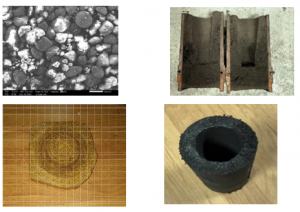
Consumer requirements for improving the efficiency and strength of cast parts for various types of equipment necessitate the development of new technological processes for producing casting molds. Currently, one of the pressing issues in foundry production is improving the surface cleanliness of castings and reducing defects that arise due to casting defects. The solution to this problem can be achieved by manufacturing castings using shell molds made from sand-resin mixtures. Such mixtures make it possible to obtain high-quality castings from various alloys.
However, the widespread industrial application of these mixtures is hindered by the relatively high cost of the binder — pulverized bakelite. In this regard, research aimed at improving technological processes for producing strong sand-resin molds while reducing the binder content in the mixture without deteriorating other parameters is of great relevance. The results of the conducted studies are directed toward solving these problems. By applying static pressure, it becomes possible to reduce the cost of the binder component.
Achieved results in the 2nd half of 2025:
An analysis of the issues related to the production of castings made in sand-resin molds has been carried out. More than 70 sources of modern and classical literature have been reviewed, including articles from the Scopus and Clarivate Analytics databases.
It has been determined that, in general, the use of sand-resin molds ensures the production of castings with high structural quality and the absence of defects. Sand-resin molds provide a precise imprint of the internal cavity, which contributes to high geometric and dimensional accuracy, low surface roughness of the casting, and minimal burn-on. The high gas permeability of the mold allows for the production of dense, non-porous castings. The burnout of the resin upon interaction with molten metal enables the removal of castings with lower energy consumption, while the shell mold itself initially possesses relatively high strength and hardness.
However, it should be noted that this casting method is used relatively rarely in production. For example, in the Karaganda region, casting is predominantly carried out using gasifiable models. The reasons for this situation are two main drawbacks of sand-resin molds:
– the high cost of the binder (pulverized bakelite);
– the release of harmful substances (ammonia, phenol) during resin burnout.
Thus, it has been determined that reducing the use of pulverized bakelite in the mixture will both lower the cost of the mold and contribute to the improvement of sanitary and hygienic conditions in the workplace.
It has been determined that, in global practice, studies have been conducted on the use of not only thermal effects on the resin during mold formation but also static pressure. This leads to increased strength due to the more uniform distribution of resin and sand. The work proposes the use of variable pressure, as the resin changes its physical state during heating (solid – viscous – solid).
It has also been determined that, in addition to the main components—resin and sand—auxiliary components such as white spirit, kerosene, acetone, graphite, talc, and others can and should be used in the mixture.
A series of basic experiments has been conducted on the application of variable static pressure for the production of sand-resin molds under laboratory conditions.
List of Publications for the 2nd Half of 2025
– 1 article was published in the journal Acta Metallurgica Slovaca, which is indexed in the Scopus database with a percentile above 50.
Dostayeva A., Kulikov V., Baibekov Sh., Kovalev P., Kvon Sv., Issagulov A., Arinova S., Kovaleva T. Studying foundry resin-bonded sand molds made with the use of variable pressure// Acta Metallurgica Slovaca-2025- Vol 31, №3, 149-155 pages (Scopus database, 52nd percentile)
– 1 monograph was published by a domestic publishing house.
Дайын өнімнің сапасын жақсарту мақсатында тұрақсыз қысымда құм-шайыр қалыптарын өндіруді әзірлеу және енгізу: Монография/ В.Ю. Куликов, А.З. Исагулов, А.М. Достаева, Ш.С. Байбеков; «Әбілқас Сағынова атындағы Қарағанды техникалық университеті» КеАҚ. – Қарағанды: «Әбілқас Сағынова атындағы Қарағанды техникалық университеті» КеАҚ баспасы, 2025-157 б. ISBN 978-601-355-587-4.
•Research Group
| № | Full Name of the Researcher | Degree and Position of the Researcher |
| 1. | Dostaeva Ardak Mukhamedievna | Proj. manager., рrincipal researcher,
PhD, professor, professor dep. MaNM |
| 2. | Kovaleva Tatyana Viktorovna | Principal inv. pro., senior research fellow, PhD, enior lecturer dep. MaNM |
| 3. | Isagulova Diana Aristotelevna | Senior research fellow,
PhD, аssoc. рrofessor dep. MaNM |
| 4. | Arinova Saniya Kaskataevna | Senior research fellow,
PhD, аssoc. рrofessor dep. MaNM |
| 5. | Baybekov Shyngys Seitmuratuly | Junior Researcher, m.t.s.,
doctoral stud. МеtD-23-1, dep. MaNM |
| 6. | Bekbayeva Lyazzat Akylbekovna | Laboratory ass., m.t.s., engineer DSaI |
| 7. | Nartbay Erkebulan Zhanbolatuly | Engineer, engineer dep. MaNM |
| 8. | Aktaeva Assem Sailaubekkyzy | Engineer, engineer DSaI |
Information for Potential Users
As a result of the project implementation, the accuracy and surface quality of precision castings will be improved while reducing their production cost in metallurgy through the optimization of the sand-resin mold forming process. This will enable broader application of such technologies for the manufacturing of complex and critical components.
Field of Application: Metallurgy and Foundry Production
Date of information update: 25.12.2025
AP26197145 «Development of a distributed autonomous wireless Wi-Fi system for monitoring the technical condition of bridge structures and buildings» S.s. Kaliaskarov N.B.
Actuality
The development of telecommunications systems and electronics is closely linked to the use of automated control and intelligent management systems, enabling remote monitoring of hard-to-reach objects, including buildings and structures. Remote monitoring systems for these systems are updated annually, incorporating new methods and applications for specific devices and sensors. For remote monitoring, high-quality wireless communication and proper configuration of measuring sensors to wireless data transmission modules are essential criteria. Technical inspection of construction sites is performed by measuring their key deformation characteristics. For effective and accurate monitoring, it is necessary to ensure wireless data transmission not only from one sensor, but also from multiple sensors, which contributes to high-quality results.
Purpose of the project
The purpose of the project is to develop of a distributed wireless Wi-Fi system for monitoring the technical condition of buildings and structures, providing high data transfer rates, a long range, and support for multiple access with carrier listening and collision avoidance.
Expected and achieved results
As a result of the Project’s implementation, a pilot setup is planned for the opening of a wireless technology laboratory at the Abylkas Saginov Karaganda Technical University. This setup could serve as a basis for establishing wireless channels, connecting the server to end devices, receiving and transmitting data from sensors via a communication channel, and conducting remote laboratory monitoring.
The target users of the research results and the prototype remote monitoring system may include the Integrated Expertise Company LLC, construction companies, and several universities, which can serve as training grounds for personnel in the field of wireless monitoring systems.
Development of scientific, technical, and design documentation: Technical documentation will be developed, and laboratory and pilot prototypes of the wireless building and structure monitoring system will be developed.
Dissemination of the results to potential users, the scientific community, and the general public: The results will be disseminated through publications and implementation in the educational process. Negotiations will also be held with potential buyers of the system. Applicability and/or feasibility of commercialization of the obtained scientific results: The project has commercialization potential, as the results can be used to offer system installation and maintenance services, including regular monitoring and data analysis for clients, consulting organizations on system implementation and optimization of monitoring processes, and unique solutions can be presented in international markets, which will open new sales channels and business expansion.
Social, economic, environmental, scientific, technical, multiplier, and/or other impact of the project results: reduced risk of accidents and disasters associated with damage to buildings and structures, which contributes to the protection of the life and health of citizens; increased citizen confidence in the infrastructure and its operation, which in turn improves the overall perception of life in the urban environment; reduced maintenance costs: automated monitoring reduces the costs of manual inspections and preventive measures; innovative technologies attract the attention of investors and can contribute to the development of new business models and start-ups in the field of IoT and construction technologies; effective management of the condition of buildings and structures helps prevent environmental disasters associated with the destruction of infrastructure; The use of wireless technologies for monitoring reduces energy consumption and waste associated with the physical inspection of facilities; a new approach to monitoring and data transmission can form the basis for further research in telecommunications technologies and sensor systems; the data obtained can serve as the basis for new research and development in the field of building materials and technologies; successful implementation of the project can contribute to the development of related technologies, such as automated control systems, smart cities, and other areas of the IoT; creation of new jobs: the implementation of new technologies requires specialists in various fields, which can lead to the creation of jobs in scientific, engineering, and technical fields; the monitoring system will help ensure the resilience of urban infrastructure to climate change and natural disasters; the project can form the basis for educational programs and courses aimed at training specialists in the field of monitoring and managing construction projects.
The expected results of the project to develop a distributed wireless Wi-Fi system for monitoring the technical condition of buildings and structures in the future have wide practical applicability in various fields:
Automated monitoring of the condition of load-bearing structures will enable the timely identification of problems and the prevention of accidents, improving safety. The system can monitor bridges and other critical assets, facilitating rapid condition assessment.
Integration into smart buildings and cities will ensure efficient resource management.
Data can be used to improve designs and technologies in construction and materials science.
The system will provide prompt information on potential risks, speeding emergency response.
Automation of monitoring processes will reduce the cost of manual inspections and minimize risks.
The results can be used in educational institutions to train specialists in asset monitoring and condition control. The development of a low-cost system will open new markets for businesses in the technical monitoring sector. Thus, the project’s results will have a significant impact on the safety and reliability of infrastructure and on the development of monitoring and control technologies.
List of references:
Certificates of state registration of intellectual property rights:
1. Gavrilova M.R., Kaliaskarov N.B. Certificate No. 63829 04.11.25 (scientific work) “Computer modeling of a wireless Wi-Fi channel considering packet lost in dams for the telemetry control of bridge structures and construction building.”
2. Gavrilova M.R., Kaliaskarov N.B. Certificate No. 63828 dated 04.11.2025 (scientific work) “Development of a distributed wireless Wi-Fi system for monitoring the technical condition of remote objects.”
Application for a utility model “Wireless system for remote thermal monitoring of buildings” and an application for a patent for an invention: “Wireless system for remote monitoring of the technical condition of buildings”
Research group
| Kaliaskarov Nurbol Baltabaevich, PhD, head of department “Radio Electronics and Telecommunication Technology” , NPJSC “Abylkas Saginov Karaganda Technical University”
h-index: 4 ORCID: 0000-0003-3684-14205 Researcher ID in Publons ABC-2155-2020 Scopus Author ID: 57201113007 Researcher ID Web of Science ABC-2155-2020 |
| Amirov Azamat Zhanbulatovich, PhD, Member of the Management Board – Vice-Rector for Digitalization NPJSC “Abylkas Saginov Karaganda Technical University”
h-index: 2 ORCID: 0000-0001-9255-9191 Scopus Author ID: 57204729952 |
| Neshina Elena Gennadievna, c.t.s, associate professor, head of department “Energy systems”, NPJSC “Abylkas Saginov Karaganda Technical University”
h-index: 9 ORCID: 0000-0002-8973-2958 Scopus Author ID: 57191724446 |
| Alkina Aliya Daulekhanovna, c.t.s, associate professor department “Energy systems”, NPJSC “Abylkas Saginov Karaganda Technical University”
h-index: 11 ORCID: 0000-000304879-0593 Scopus Author ID: 57160184600 |
| Yugay Vyacheslav Viktorovich, PhD, head of department “Automation of manufacturing processes”, NPJSC “Abylkas Saginov Karaganda Technical University”
h-index: 6 ResearcherID – ABA-7820-2020 ORCID – 0000-0002-7249-2345 Scopus Author ID – 8379849200 |
| Imanov Edil Kuttybaevich, head of department ‘Building materials and technologies’, NPJSC “Abylkas Saginov Karaganda Technical University”
h-index: 2 ORCID: 0000-0002-6504-8799 Scopus Author ID: 57219778542 |
| Gavrilova Marianella Rashidovna, senior lecturer of the department “Radio Electronics and Telecommunication Technology” , NPJSC “Abylkas Saginov Karaganda Technical University”
h-index: 1 ORCID: 0000-0001-5017-8681 Scopus Author ID: 57215328249 |
| Khan Maksim Aleksandrovich, senior lecturer of of department ‘Building materials and technologies’, NPJSC “Abylkas Saginov Karaganda Technical University”
h-index: 3 ORCID: 0000-0002-9251-1419 Scopus Author ID: 57216504286 |
| Malikov Nurbol Muratovich, lecturer of the department “Energy systems”, NPJSC “Abylkas Saginov Karaganda Technical University”
h-index: – ORCID: 0000-0002-6298-1735 Scopus Author ID: 57813518900 |
| Zhaksylyk Zhaina Edilkyzy, teacher of the department “Radio Electronics and Telecommunication Technology” , NPJSC “Abylkas Saginov Karaganda Technical University”
h-index: – ORCID: 0009-0002-0797-6631 Scopus Author ID: – |
| Mekhtiev Ruslan Alievich, doctoral student of the group EPD-25-2, department “Radio Electronics and Telecommunication Technology” , NPJSC “Abylkas Saginov Karaganda Technical University”
h-index: 2 ORCID: 0000-0001-5416-3444 Scopus Author ID: 57222655936 |
| Yesenzholov Ulan Serikovich , senior lecturer of the department ‘Radio Engineering, Electronics and Telecommunications’, L. Gumilyov Eurasian National University
h-index: 1 ORCID: 0000-0003-2536-6810 Scopus Author ID: 57210182248 |
Information for potential users
The development of a semi-natural hardware and software system is planned to be achieved after extensive testing of the prototype and experiments, the results of which will be mathematically processed and the reliability of the measurement data calculated. Furthermore, the system being developed will be low-cost and will allow for market competition. Plans are underway to prepare the project for small-scale production.
The obtained scientific results can also be applied by research and design organizations, as well as in higher education institutions for the training of undergraduate, graduate, and doctoral students.
Area of application
Telecommunications, construction.
Date of information update: 25.12.2025
AP26101943 «Creation of intellectual control system of technological tooling for machining of body parts with the use of digital technologies» S.s. Nurzhanova O.A.
Relevance. In a modern concept characterized by a high degree of process automation, digitalization and integration into production, there is an increasing need for the use of reconfigurable production systems that require technological equipment. Large manufacturing enterprises in their work can apply several thousand items of such equipment. In this regard, it is necessary to develop technical solutions that will provide high flexibility without reducing productivity.
Thus, the creation of an intelligent system of technological tooling control for multilateral high-performance machining of body parts with high performance and flexibility requirements is an urgent task for various areas of industry.
The results achieved in the 2nd half of 2025: The existing structural and technological solutions were analyzed, the problems related to technological equipment for processing body parts in the literature were reviewed, and the main conclusions were formulated to achieve the project goals of optimizing the design being developed, taking into account the appropriate tolerances and fits. As part of the project, a business trip to Almaty (Kazakhstan) at Satpaev University was completed. Joint consultations were held on the development of a universal design of technological equipment and materials. A set of design and technological documentation has been agreed upon for testing technical solutions.
List of publications for the 2nd half of 2025.
One article was published in the journal of the Quality Assurance Committee for Science and Higher Education Quality Assurance Committee of the Ministry of Science and Higher Education of the Republic of Kazakhstan: Nurzhanova O.A., Berg A.S., Berg A.A., Bakenov A.A., Semerenko I.A. Development of Software for Automated Selection of Machining Parameters. Material and Mechanical Engineering Technology, 2025.- № 3. – рр. 31 – 41. https://doi.org/10.52209/2706-977X_2025_3_31
The research group
| № | Full name (if any) | Еducation, degree, academic title |
| 1. | Nurzhanova Oxana Amangeldyevna | PhD, Acc.prof. at the TEMandS Department |
| 2. | Berg Alexandra Sergeevna | PhD, Senior Lecturer at the TEMandS Department |
| 3. | Berg Andrey Alekseevich | expert, senior lecturer at the Department of TEMandS |
| 4. | Zharkevich Olga Mikhailovna | c.t.s, professor at the TEMandS Department |
| 5. | Bakenov Adilkhan Amangeldievich | Design Engineer, Category 2, “Maker” LLP |
| 6. | Закиров Каршыга Тулегенулы | doctoral Student, IMSD-25-1 Group, Department of TEMandS |
Information for potential users
As a result of the project implementation, a new universal technological tooling with an individual processing program for each part, taking into account its geometry, material and required surface quality, the development of algorithms that allow the system to independently adapt to changing production conditions, based on the data obtained during the work process, and making optimal decisions will be created.
Scope of application
The target consumers of the obtained project results may be machine-building enterprises, mechanical parks of large and medium-sized enterprises in the mining industry, repair and service enterprises. The applicability of the obtained scientific results is also possible by scientific, design organizations, as well as in higher education institutions, when training bachelors, masters and doctoral students.
The impact of the expected results on the development of the main scientific direction and related areas of science and technology consists in the creation of a new universal technological equipment with an individual processing program for each part, taking into account its geometry, material and required surface quality, the development of algorithms that allow the system to independently adapt to changing production conditions, based on data obtained in the process of work, and making optimal decisions.
The possibility of commercialization of the project results is planned by concluding license agreements with machine-building enterprises, large and medium-sized enterprises, repair and service enterprises. The socio-economic effect of the project results consists in obtaining a completely new universal technological equipment with an individual processing program for each part, taking into account its geometry, material and required surface quality based on foreign experience.
Another prospect is to improve the quality of machine tools with minimal labor and cost costs for their manufacture.
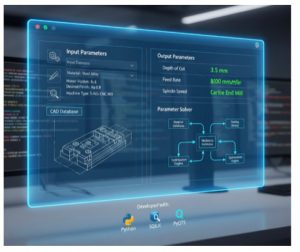
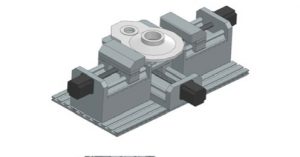
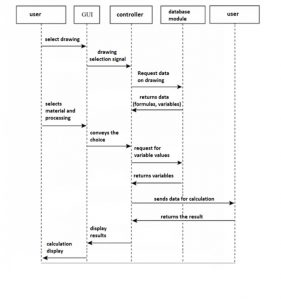
Date of information update: 25.12.2025
AP26199353 «Studying the metal content of coal and ash and slag for the extraction of rare earth elements using nuclear radiometric technologies» S.s. Pak D.Yu.
Relevance
Justification of the technology of nuclear-radiometric studies of the metal content of coals and ash and slag waste as potential raw materials for the extraction of rare earth metals based on selective consideration of the relationships between the ash content of coals and the concentrations of natural radioactive elements and rare earth metals.
Results Achieved in the Second Half of 2025:
Samples from various deposits were prepared for the determination of rare earth metals and natural radionuclides using at least three different instrumental methods (X-ray, neutron activation, and gamma spectrometry).
The distribution patterns of rare earth metals in coals from various deposits were studied. Information will be obtained on the main mineral inclusions in which rare earth metals and natural radionuclides are concentrated. Significant correlations between individual rare earth metals and natural radionuclides and ash content will be assessed.
List of Publications for the Second Half of 2025:
–
Research Team
1. Dmitriy Yu. Pak – Project Supervisor, PhD in Engineering, Professor
h-index Scopus: 6
https://orcid.org/0000-0002-7215-7846
Scopus Author ID: 45561507200
ResearcherID: V-8176-2018
2. Yuriy N. Pak – Responsible Executor, Doctor of Technical Sciences, Professor
h-index Scopus: 7
https://orcid.org/0000-0002-0699-6764
Scopus Author ID: 7102674136
ResearcherID: V-8724-2018
3. Petr A. Kropachev – Researcher, PhD in Engineering, Associate Professor
h-index Scopus: 3
Scopus Author ID: 55378112200
4. Serikpai K. Tutanov – Researcher, Doctor of Technical Sciences, Professor
h-index Scopus: 1
Scopus Author ID:6505626495
5. Anar Yu. Tebaeva – Researcher, Senior Lecturer
h-index Scopus: 1
Scopus Author ID: 57367955300
https://orcid.org/0000-0001-5404-7195
6. Diana A. Ibragimova – Researcher, PhD
h-index Scopus: 2
Scopus Author ID: 57901957700
https://orcid.org/0000-0002-2588-3028
7. Darya I. Vdovkina – Researcher, Master’s Degree, Geologist in the Mining Sector
h-index Scopus: 1
Scopus Author ID: 57476789200
Information for Potential Users
The results of the research on the project’s topic can be used:
– for testing bulk coal ash and slag waste for non-destructive analysis of rare earth metals, followed by recommendations for their extraction using modern enrichment technologies;
– for assessing the radioecological safety of coal and ash and slag waste in the context of their environmental impact;
– for quality control of large coal masses using nuclear radiometric methods.
Field of Application
Earth and Environmental Sciences
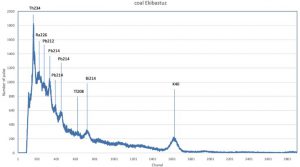
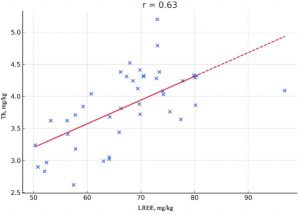
Date of information update: 25.12.2025